1
What should the campaign achieve?
Define whether the product is intended for employee recognition, client appreciation, trade show follow-up, a welcome kit, or a broader brand campaign.
The right product should make sense to the recipient, fit the campaign, support clear branding, and remain practical from sample approval through delivery and everyday use.
Use this guide before comparing quotes, requesting samples, or presenting a branded technology option to a client or internal team.
A clear brief makes it easier to compare different products fairly and prevents novelty, unit price, or visual appearance from becoming the only decision criteria.
Define whether the product is intended for employee recognition, client appreciation, trade show follow-up, a welcome kit, or a broader brand campaign.
Consider the recipient's work context, device habits, travel, age range, and whether the item should work without explanation or setup support.
Look for a clear, repeatable purpose. Frequent use and convenient storage generally give a branded item more opportunities to stay visible.
Check the intended device, case, connector, operating system, surface, power requirements, or other dependencies before approving a technology product.
Review logo size, contrast, placement, print or engraving method, packaging, and whether the result still feels like a useful product rather than an advertisement.
Confirm dimensions, weight, packaging, mailing requirements, booth distribution, gift-box fit, and any documentation the recipient will need.
Work backward from the required delivery date. Allow time for sampling, artwork, approval, production, quality checks, packing, and shipping.
Use the product in the intended setting, inspect the finish and branding, and test the final device or case combination before bulk production.
Different product categories solve different campaign problems. The useful question is not “Which gadget looks newest?” but “Which option can we approve and distribute with confidence?”
| Category | Potential strength | Buyer checks | Typical program fit |
|---|---|---|---|
| Phone accessories | Broad everyday relevance and an immediately understandable purpose. | Device or case compatibility, placement, surface, durability, and logo treatment. | Corporate gifts, trade shows, employee kits, and brand campaigns. |
| Charging products | A practical need with strong perceived utility. | Connector and power specifications, compliance documentation, battery or shipping requirements, and user instructions. | Travel, sales teams, client programs, and premium kits. |
| Audio accessories | Strong perceived value and personal daily use. | Device pairing, battery life, controls, warranty expectations, packaging, and support. | Employee rewards, client gifts, and higher-value programs. |
| Desktop technology | Visible during work and easy to connect with productivity. | Desk space, workplace relevance, remote versus office use, packaging, and shipping volume. | Onboarding, remote-work kits, conferences, and internal programs. |
| Multi-item tech sets | A fuller presentation and flexibility across several needs. | Whether every component adds value, set weight, packaging size, replacement risk, and final delivered cost. | Holiday boxes, executive gifts, employee kits, and client appreciation. |
Before adding promotional technology to a kit, decide whether it is the main gift, a useful supporting item, or a compact product that connects the rest of the presentation.
Prioritize products that are easy to understand, relevant to daily work, and practical for distributed or remote teams.
Balance perceived value with restrained branding, presentation quality, and a product the recipient can use without company-specific context.
Favor compact items that are easy to transport, distribute, demonstrate, and keep after the event.
Check seasonal capacity, gift-box dimensions, combined weight, packaging coordination, and the final delivery deadline.
Choose technology that supports meetings, travel, follow-up, or an ongoing business relationship rather than a one-time impression.
Keep weight and dimensions controlled, make the product purpose obvious, and connect the insert or packaging to the campaign message.
Score the physical sample against the actual campaign brief. A sample should confirm the product experience and expose problems before they become bulk-order problems.

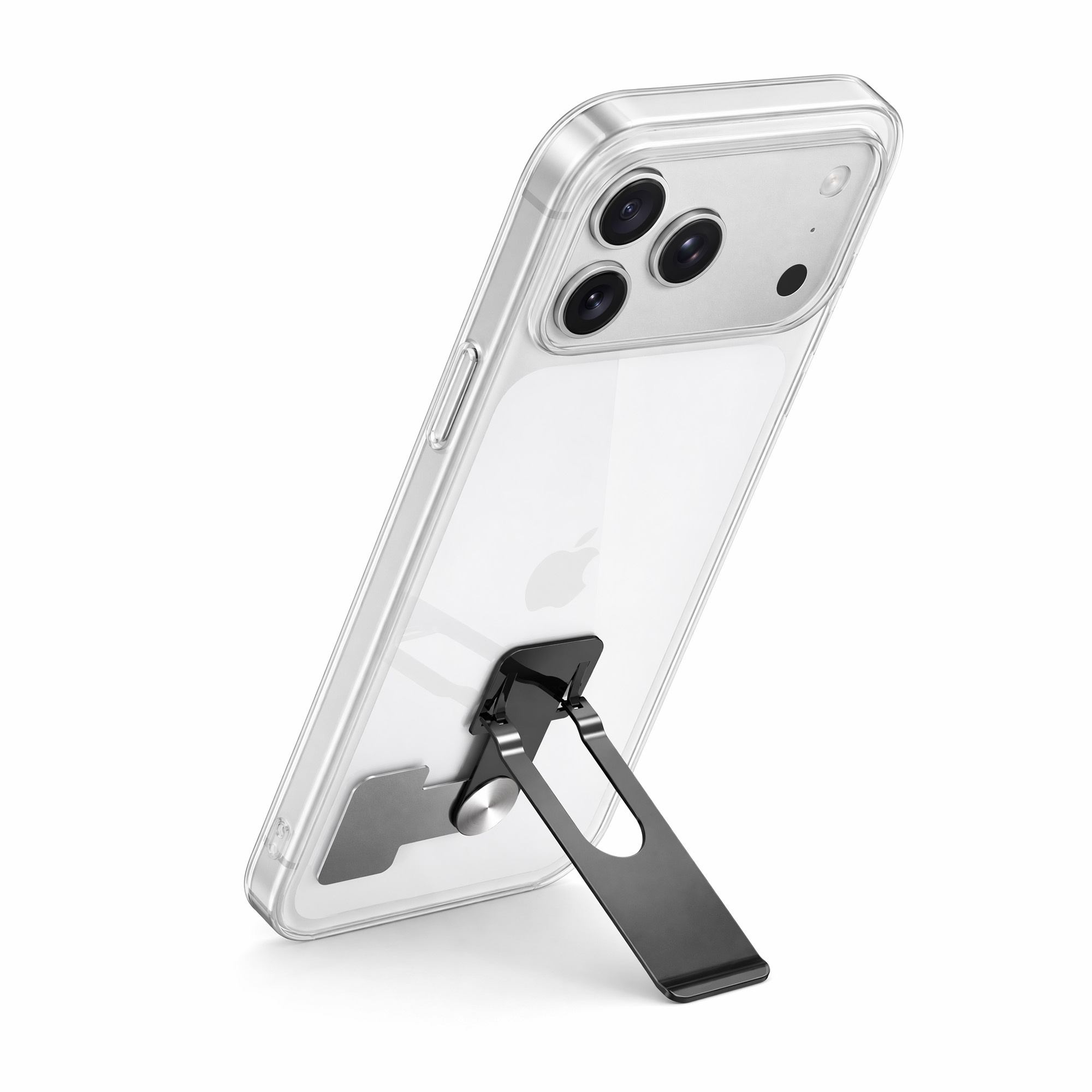
QL-K1 is a focused option for programs that need a compact, custom-logo phone accessory with a clear everyday purpose. Buyers should still test the intended phone or case, surface, placement, logo treatment, packaging, and real-world use before production.
Start with the campaign goal and recipient. Then evaluate everyday usefulness, compatibility, branding, packaging, logistics, MOQ, production timing, and a physical sample before approving the order.
Test the real use experience, build quality, device or case compatibility, logo treatment, packaging, instructions, and how the item performs in the intended campaign setting.
Compact, lightweight products with an obvious everyday purpose are generally easier to add to employee, client, conference, and holiday gift sets. Confirm dimensions, weight, packaging, compatibility, and delivery timing.
Price matters, but it should be considered together with usefulness, expected retention, perceived value, branding quality, logistics, and the likelihood that recipients will keep using the product.
Start with the required delivery date and work backward. Sampling, artwork approval, production, packing, shipping method, destination, and seasonal capacity can all affect the final schedule.
Request a business sample to evaluate QL-K1 against the same usefulness, compatibility, branding, packaging, and real-world criteria in this guide.
Business evaluation samples are complimentary for qualified buyers; the recipient pays shipping. Final production and delivery timing depend on artwork, quantity, packaging, destination, capacity, and shipping method.